Dubai Design District: How d3 Built the Gulf's First True Luxury Creative Hub
March 15, 2026 · 10 min read
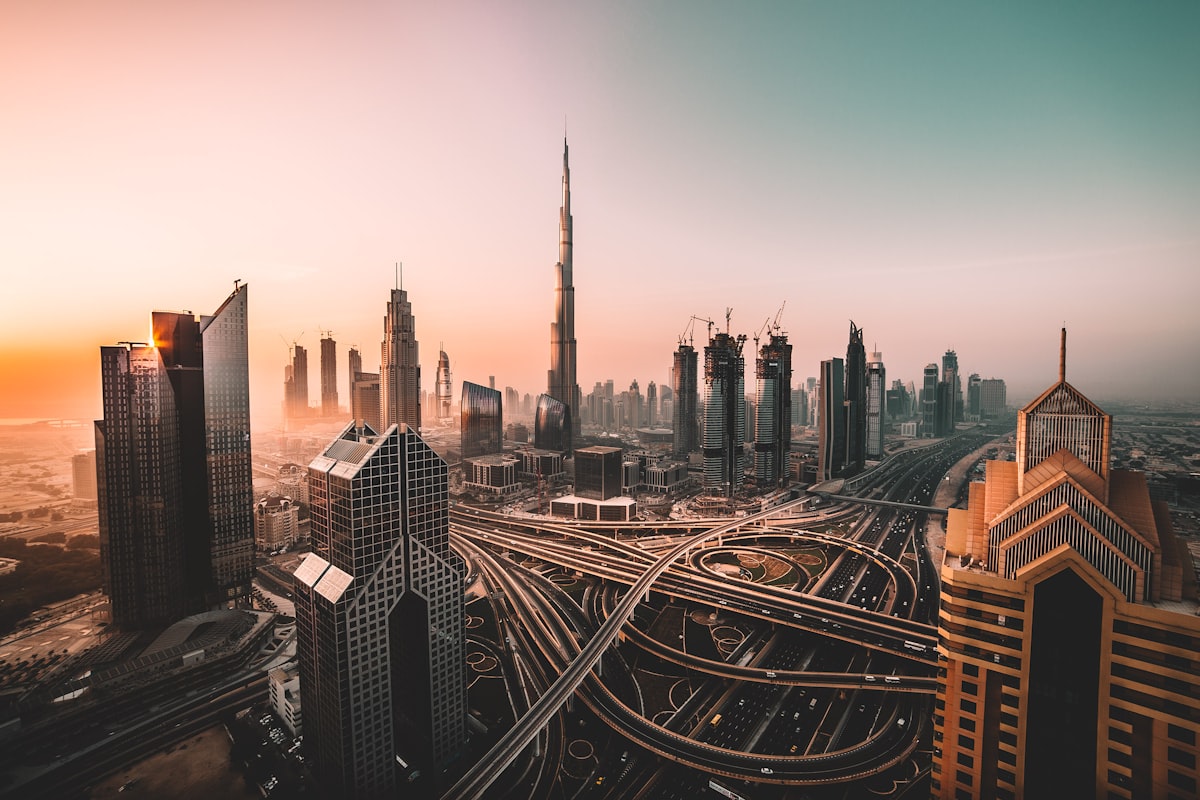
When Dubai announced Dubai Design District — d3 — in 2013, the global creative industry was politely sceptical. A design hub in the desert? Adjacent to a highway? Without the centuries of cultural sediment that makes Milan, Paris or London magnetic to designers? Thirteen years later, the sceptics have been comprehensively silenced. In 2026, d3 houses over 900 creative businesses, hosts the Middle East's most important design week, and has become the regional headquarters for Dior, Burberry, Zaha Hadid Architects and a constellation of emerging Gulf-born brands. More significantly, it has fundamentally altered the geography of luxury in Dubai, transforming the adjacent Business Bay and Downtown corridors into the city's most culturally charged residential addresses.
The Masterplan That Rewrote the Rules
What separates d3 from Dubai's other freehold zones is intentionality. The district was not conceived as a real estate play but as an ecosystem — one designed by Foster + Partners with low-rise buildings, pedestrian streets, ground-floor retail and communal maker spaces. The architecture is deliberately restrained: white concrete, floor-to-ceiling glass, double-height studios. In a city that celebrates excess, d3 whispers. And the creative community responded.
The first wave brought the luxury maisons. When Chanel, Louis Vuitton and Cartier needed regional ateliers — not retail stores, but actual design and customisation studios — they chose d3. The zero-percent income tax and 100% foreign ownership were necessary conditions, but the deciding factor was adjacency: for the first time in the Gulf, luxury brands could occupy the same streets as independent designers, textile innovators and digital artists. The cross-pollination was immediate.
The Residential Halo Effect
D3's most profound impact may be on the surrounding property market. The blocks immediately north — the stretch of Business Bay between the Design District and the Dubai Canal — have experienced a 340% increase in prime residential values since 2020. Developers like Omniyat, Ellington and Binghatti have repositioned their towers not as "Business Bay" addresses but as "d3-adjacent" residences, targeting a specific buyer: the creative professional, the fashion executive, the art collector who wants to walk to galleries.
The numbers tell the story. A two-bedroom apartment in the d3 corridor now commands AED 2.8 million — 65% above the Business Bay average. Penthouses with d3 views have crossed the AED 25 million threshold. And the rental market has become the tightest in Dubai, with vacancy rates below 2% as international creative agencies pay premium rates for proximity to clients and collaborators.
Dubai Design Week: The Annual Catalyst
Every November, Dubai Design Week transforms d3 into a global stage. In 2025, the event attracted 180,000 visitors across five days — more than Milan's Fuorisalone when adjusted for duration. The programming has evolved far beyond furniture fairs: immersive installations in the district's open spaces, panel discussions on sustainable luxury with Stella McCartney and Raf Simons, and the Abwab pavilions showcasing designers from Saudi Arabia, Egypt and Pakistan who are redefining what Gulf luxury means.
For property buyers, Design Week serves as a discovery mechanism. Estate agents report that 30% of their annual ultra-luxury viewings in the d3 corridor are booked during the event. Collectors who come for the art stay for the real estate. The district's physical beauty — those immaculate white facades lit golden at sunset — does the selling.
The Next Chapter: d3 South
Phase two of d3, announced in late 2025, will double the district's footprint. The expansion — branded d3 South — introduces residential lofts for the first time within the district's own boundaries. These are not conventional apartments: they are live-work units with 4.5-metre ceilings, polished concrete floors and direct access to maker spaces. The first tranche of 120 units sold out in 72 hours at an average of AED 3,200 per square foot — a price that would have seemed fantastical for Business Bay five years ago.
D3 South will also house the Gulf's first dedicated fashion incubator, backed by the LVMH Innovation Fund and Dubai Future Foundation. The programme offers emerging designers studio space, mentoring from maison creative directors, and — critically — a direct pipeline to retail placement across the GCC. For the luxury industry, this is Dubai's most compelling proposition: not consumption, but creation.
Investment Perspective
For the ultra-luxury buyer, d3 represents something Dubai has historically lacked: cultural permanence. Palm Jumeirah offers spectacle. Emirates Hills offers privacy. But d3 offers something rarer — a neighbourhood where value is anchored not in engineering marvels but in human creativity. As the Gulf's creative economy expands — projected to reach USD 30 billion by 2030 — the real estate surrounding its epicentre will only appreciate.
The smart money, as always in Dubai, is already there. The question for buyers in 2026 is whether the remaining inventory in the d3 corridor represents the last opportunity to enter at current levels — or whether the district's gravity will continue pulling prime values upward for another decade. History, and Dubai's relentless momentum, suggests the latter.