The Bespoke Marina: How Dubai's Superyacht Infrastructure Became the Gulf's Most Comprehensively Engineered Nautical Luxury Ecosystem
March 2026 · 10 min read
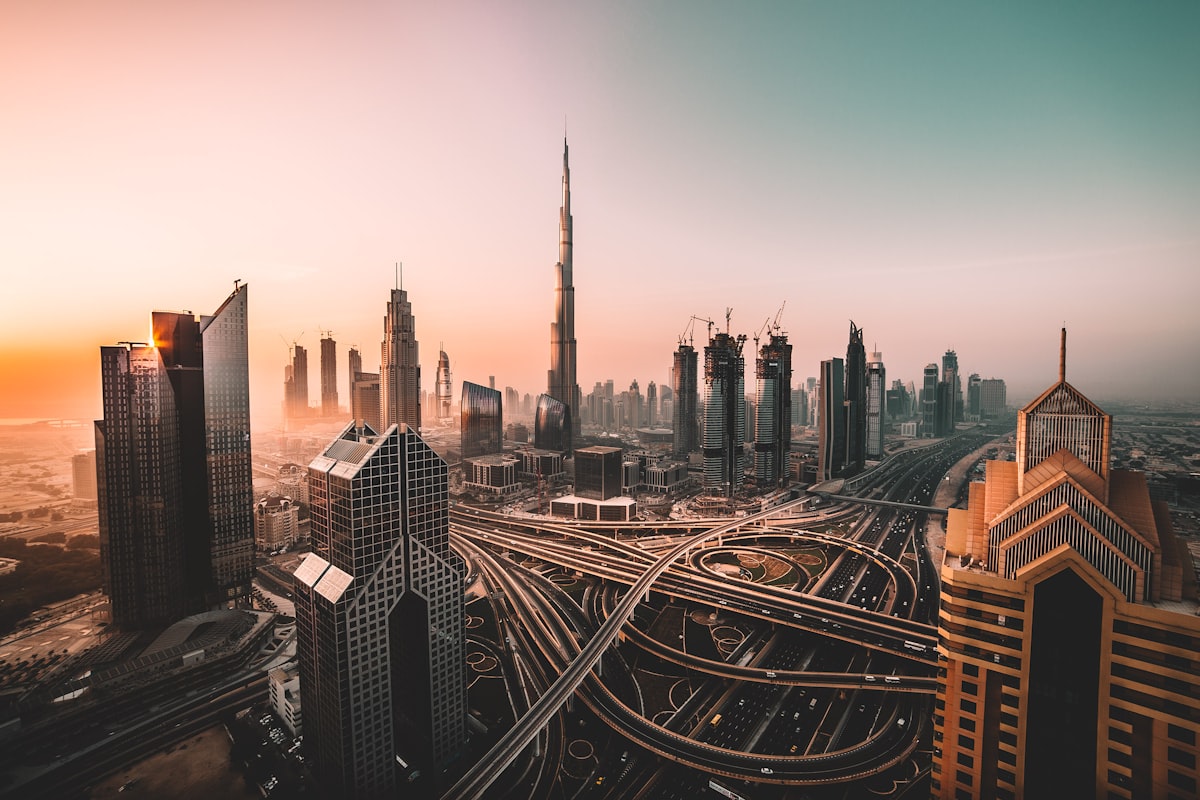
The transformation of Dubai from a pearling port into the Gulf's preeminent superyacht destination has been achieved with the same characteristic ambition that produced the Burj Khalifa and the Palm Jumeirah — but with a sophistication of marine engineering that the city's critics persistently underestimate. Dubai has not merely built marinas; it has constructed an entire nautical ecosystem, from purpose-built superyacht berths capable of accommodating vessels exceeding 100 metres to full-service refit and maintenance facilities that now compete directly with the established Mediterranean yards.
The Marina Archipelago
Dubai Marina, carved from the desert as a 3.5-kilometre artificial canal, accommodates over 700 vessels in a setting that combines waterfront urban living with genuine nautical functionality. The marina's design — influenced by Mediterranean precedents but scaled to Gulf ambition — provides sheltered berthing, direct access to open water, and a waterfront promenade of restaurants, retail and residential towers that has become one of Dubai's most successful urban districts.
But it is the newer facilities that signal Dubai's serious intent in the superyacht market. Dubai Harbour, adjacent to the Palm Jumeirah, has been engineered specifically for large yacht accommodation, with berths for vessels up to 160 metres and the infrastructure — fuel bunkering, provisioning, customs and immigration — that owner-operators of nine-figure vessels require. The facility's 1,100-berth capacity makes it one of the largest purpose-built marinas in the Middle East.
Port Rashid, the historic commercial port that once handled the emirate's trade, has been partially repurposed as a cruise and superyacht terminal. The juxtaposition of heritage port infrastructure with contemporary luxury hospitality — Queen Elizabeth 2, permanently moored here as a floating hotel, adds a further nautical dimension — creates a destination character that Dubai Marina's gleaming newness does not possess.
The Winter Migration
Dubai's most significant competitive advantage in the global superyacht market is temporal. The Mediterranean season runs from May to October; the Caribbean from November to April. Dubai's optimal cruising season — October to May, with water temperatures remaining between 22°C and 28°C and air temperatures rarely exceeding 30°C — overlaps with neither, creating a natural third destination in the annual superyacht migration.
This seasonal positioning has catalysed a growing pattern: Mediterranean-based yachts transit the Suez Canal in autumn, spend the winter months cruising Gulf waters — Dubai, Abu Dhabi, Oman's Musandam Peninsula, the emerging destinations of Saudi Arabia's Red Sea coast — before returning to the Mediterranean in spring. Dubai's marina infrastructure, refit capabilities, and provisioning supply chains have been developed specifically to service this migration.
The cruising grounds themselves offer genuine appeal. The Musandam Peninsula, a three-hour cruise from Dubai, presents fjord-like inlets of dramatic geological beauty. The Sir Bani Yas Island marine reserve, off Abu Dhabi's coast, provides diving and snorkelling in protected waters. The emerging NEOM and Red Sea developments in Saudi Arabia are extending the Gulf cruising range with destinations that, when complete, will rival the Caribbean's best.
The Refit Revolution
The establishment of world-class yacht refit and maintenance facilities distinguishes Dubai's maritime ambitions from mere berthing provision. Dubai Maritime City, a dedicated maritime industrial zone, houses shipyards and refit operations that now handle projects up to 85 metres — work that would previously have required a return to European yards in the Netherlands, Italy or Spain.
The economic logic is compelling: a superyacht wintering in the Gulf can schedule annual maintenance locally rather than repositioning to Europe at a transit cost of several hundred thousand euros. The availability of skilled labour — marine engineers, painters, electronics specialists, interior craftsmen — has been developed through partnerships with established European yards and training programmes that are building a Gulf-based maritime workforce of genuine expertise.
The Brokerage Ecosystem
Dubai's position as a global financial centre and its favourable tax environment have attracted an increasing concentration of yacht brokerage, charter management, and maritime law firms. The Dubai International Boat Show, held annually at Dubai Harbour, has grown into the Middle East's most significant marine industry event, with new-build premieres and brokerage sales that increasingly compete with the established European shows at Monaco, Cannes and Genoa.
Charter operations based in Dubai offer clients access to a cruising itinerary that is genuinely distinctive. A week's charter from Dubai might include the city's skyline anchorage, the traditional fishing villages of Ras Al Khaimah, the geological drama of the Musandam fjords, and the desert-meets-ocean landscapes of Fujairah — a diversity of experience concentrated within a relatively compact cruising radius that compares favourably with Caribbean or Mediterranean alternatives.
The Waterfront Residence
The integration of superyacht culture with residential real estate represents Dubai's most commercially astute nautical proposition. Properties on the Palm Jumeirah, Dubai Marina, and the new Emaar Beachfront development are increasingly marketed not merely as waterfront residences but as components of a nautical lifestyle — with private berths, direct water access, and proximity to marine services forming part of the residential proposition.
The ultra-luxury tier — villas on Palm Jumeirah fronds with private docks capable of accommodating 30-metre-plus vessels — commands premiums that reflect the rarity of genuine live-aboard convenience. The ability to step from one's residence onto one's yacht without traversing a car park or navigating a marina shuttle represents a quality of nautical integration that even the Mediterranean's most established ports rarely achieve.
The Proposition
Dubai's superyacht ecosystem is no longer an aspiration — it is an operational reality of global significance. The combination of purpose-built infrastructure, favourable seasonal positioning, comprehensive refit capabilities, a liquid brokerage market, and the integration of nautical living into the emirate's residential fabric constitutes a proposition that the established Mediterranean and Caribbean centres cannot dismiss.
For yacht owners, the calculation is straightforward: Dubai offers a winter destination where their vessel can be maintained, provisioned, and enjoyed in waters of genuine cruising interest, within a jurisdiction that imposes no tax on ownership, charter income or capital appreciation. The Gulf's nautical future has arrived — and it is berthed in Dubai.
Dubai Latitudes — Your guide to Gulf luxury at its finest. Request private access →