Al Khawaneej: How Dubai's Last Authentically Desert-Edge Estate District Became the City's Most Culturally Rooted Luxury Address
April 1, 2026 · 11 min read
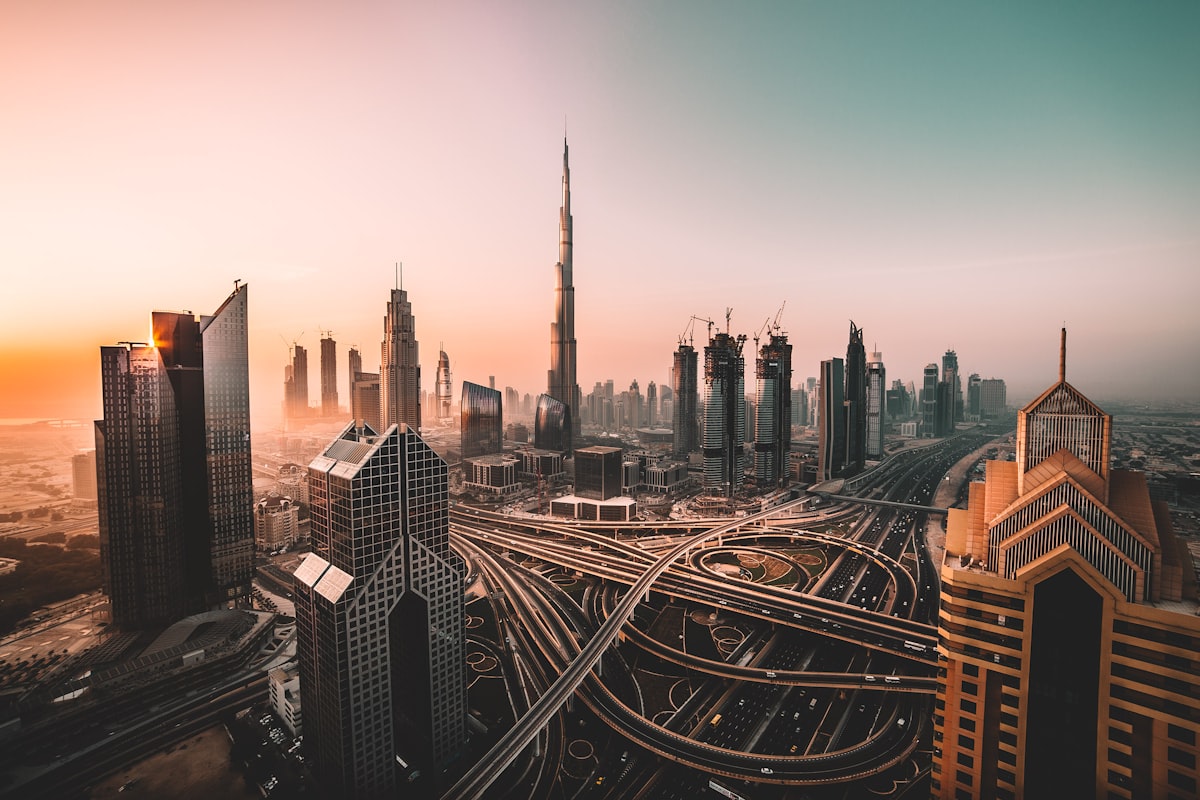
Dubai's international reputation is built on vertical ambition — towers that challenge structural engineering, artificial islands that reshape coastlines, indoor ski slopes that defy climate. Al Khawaneej proposes the opposite thesis. Located in Dubai's northeastern quadrant, where the city's last agricultural lands meet the red dunes of the Al Awir desert, this sprawling estate district is where Emirati families have maintained date farms, camel paddocks, and equestrian compounds for generations — long before the discovery of oil transformed the creek-side trading post into a global metropolis. That Al Khawaneej continues to exist at all, in a city that has demolished and rebuilt itself with almost annual frequency, is the first indication of its significance: this is land that Dubai's most established families have chosen to retain, not develop, a decision that speaks to values fundamentally different from those expressed by the skyline visible from its western boundary.
The Geography of Authenticity
Al Khawaneej occupies a transitional landscape that no other Dubai neighbourhood can claim. To the east, the red sand desert begins — not the managed dunes of tourist excursions but the working desert where Emirati families still maintain traditional hunting camps and where the endangered Arabian oryx has been successfully reintroduced. To the south, the Al Warqa wetlands attract migratory birds in numbers that surprise ornithologists more familiar with Dubai's reputation than its ecology. To the west and north, the district's boundary is defined not by highways or development parcels but by the organic edges of agricultural plots — date palms, vegetable gardens, and the small farms that supplied Dubai's markets before the era of containerised imports. The resulting landscape is one of unexpected spaciousness: plots of two to five acres are common, and the district's building regulations — which maintain low-rise limits and generous setbacks — ensure that the sky remains the dominant visual element, a quality so rare in contemporary Dubai as to constitute a form of luxury in itself.
The Equestrian Culture
Al Khawaneej is the centre of Dubai's equestrian culture — not the international show-jumping circuit headquartered at Al Habtoor or the racing industry concentrated around Meydan, but the older, deeper tradition of Arabian horse breeding that connects contemporary Emirati families to the Bedouin heritage that preceded urbanisation. The district's private stables — some maintained by families whose involvement with Arabian horses spans five or more generations — house bloodlines that are among the most valuable in global equine genetics. The morning exercise routines, conducted along sandy tracks that wind between date palms, are one of Al Khawaneej's most characteristic sights: riders in traditional dress on horses of extraordinary refinement, moving through a landscape that has changed less in the past century than any comparable area within Dubai's municipal boundaries. The Dubai Arabian Horse Stud, one of the emirate's most prestigious breeding operations, anchors the district's equestrian identity, but it is the private stables — discreet, often unmarked, visible only as white-fenced paddocks glimpsed through palm fronds — that represent the district's true equestrian wealth.
Last Exit Al Khawaneej and the New Vernacular
The emergence of Last Exit Al Khawaneej — a curated food-truck destination designed in a style that references traditional desert architecture while incorporating contemporary design sensibilities — signals the district's evolution from purely residential enclave to lifestyle destination. The development is significant not for its commercial content, which is modest, but for what it represents architecturally: a deliberate attempt to create public space that acknowledges Al Khawaneej's specific character rather than importing the glass-and-steel vocabulary of Dubai's commercial districts. The buildings reference barjeel wind towers, use desert-toned materials, and maintain the low-rise proportionality that distinguishes Al Khawaneej from the city beyond. Similarly, the Al Khawaneej Walk — a recently developed retail and dining destination — adopts an architectural language that owes more to traditional souk design than to the mall typology that dominates Dubai's commercial landscape. These developments suggest that Al Khawaneej's future will be shaped by its heritage rather than by the generic luxury templates applied elsewhere in the city.
The Date Palm Economy
Dubai's relationship with the date palm is foundational — the fruit sustained the pre-oil economy, the wood built its boats, the fronds thatched its barasti houses — and Al Khawaneej is where that relationship remains most tangibly present. The district's date farms, while no longer commercially significant at scale, continue to produce varieties — Lulu, Khlas, Barhi — that are distributed among family networks and served at majlis gatherings with a reverence that reflects their cultural status rather than their caloric value. Several of Al Khawaneej's larger estates maintain working date gardens of considerable size, with harvests conducted each summer using a combination of traditional climbing techniques and modern mechanical aids. The Khawaneej Date Market, operational during harvest season, offers varieties and qualities unavailable in commercial retail — a distinction that luxury consumers, increasingly attuned to provenance and seasonality, are beginning to recognise. The palm groves themselves contribute to the district's microclimate, providing shade cover that reduces ambient temperatures by several degrees and creating a landscape character that is simultaneously agricultural and ornamental.
Falconry and the Desert Tradition
Al Khawaneej is one of the few areas within Dubai's municipal boundaries where falconry — the UAE's most culturally significant traditional practice, recognised by UNESCO as Intangible Cultural Heritage — is actively practised rather than merely displayed. Several of the district's larger estates maintain dedicated falcon houses, and the winter training season sees hooded peregrines and saker falcons transported to the adjacent desert for hunting exercises that follow protocols refined over centuries. The proximity of open desert is essential: unlike the managed falcon experiences offered to tourists in commercial desert camps, the falconry practised from Al Khawaneej estates requires genuine wilderness — unpredictable quarry, natural terrain, the unscripted interaction between predator and landscape that constitutes the practice's philosophical core. For Emirati families, the maintenance of falconry at Al Khawaneej is not a hobby but an identity practice — a physical and temporal connection to the pre-urban culture that modern Dubai has largely superseded but that its most established families refuse to relinquish.
The Residential Proposition
Al Khawaneej's residential market operates outside the frameworks that define Dubai's more publicised luxury districts. Properties are predominantly large villas on substantial plots — typically three thousand to fifteen thousand square metres — many of which have been held within the same families for decades and rarely enter the open market. When they do, prices for established compounds range from AED 15 million to AED 60 million, reflecting not just the built structures but the land value of plots that are, by Dubai standards, irreplaceable: the district is fully developed, no significant new land releases are anticipated, and the cultural attachment of existing owners means that forced or speculative sales are rare. The architecture varies from traditional Emirati residential design — courtyard plans, wind-tower references, majlis reception halls — to contemporary interpretations that maintain the district's characteristic scale while incorporating modern amenities. What unites them is space: the generous plot sizes permit private gardens, swimming pools, staff quarters, and equestrian facilities that even Dubai's most expensive apartment towers cannot provide.
The Counter-Narrative
Al Khawaneej's significance within Dubai's luxury landscape is precisely its opposition to the city's dominant narrative of perpetual reinvention. In a metropolis that treats the past as an obstacle to be cleared for the next development cycle, Al Khawaneej insists on continuity — the same families, the same land, the same practices, the same relationship between habitation and landscape that existed before air conditioning, before desalination, before the carbon economy that financed everything else. This is not nostalgia; the district's residents are among Dubai's most commercially successful citizens, fully engaged with the contemporary economy. It is, rather, a proposition about what luxury means when the fundamental challenge is not scarcity of resources but scarcity of meaning — a proposition that the heritage farms, equestrian paddocks, and date palm groves of Al Khawaneej answer more convincingly than any penthouse on Sheikh Zayed Road.